Few places give a walker so much for so little. The Moroccan dirham (MAD) stretches a long way against any Western currency, and the reward — high passes, Berber villages, nights in the dunes — costs a fraction of the equivalent trip in Europe. Here is what a trekking week actually runs, level by level, drawn from the prices we pay in the field.
What do gîtes and riads cost?
From a bunk in a mountain refuge to a courtyard riad in Marrakech, Morocco spreads an unusually wide range of good-value beds. The budget end is honestly comfortable; the jump to mid-range buys a lot.
| Type | Per night (USD) |
|---|---|
| Hostel dorm (4–8 beds) | US$8–14 |
| Simple guesthouse (private room) | US$20–35 |
| Mid-range riad (en-suite, breakfast) | US$60–120 |
| Boutique riad (private, pool, terrace) | US$120–250 |
| Luxury Sahara camp (glamping) | US$120–200 |
What does food cost on and off the trail?
Eating well here is cheap at every tier, and the gap between a street stall and a proper restaurant is narrower than almost anywhere — quality climbs far faster than the price. On a guided trek most meals are bundled in; these figures are for your own days in town.
- Street stall breakfast (msemen flatbread, hard-boiled egg, argan oil, mint tea): 20–35 MAD (US$2–3.50)
- Harira soup + bread at a market stall: 10–15 MAD (US$1–1.50)
- Set lunch at a local café (three courses, no tourist menu): 40–70 MAD (US$4–7)
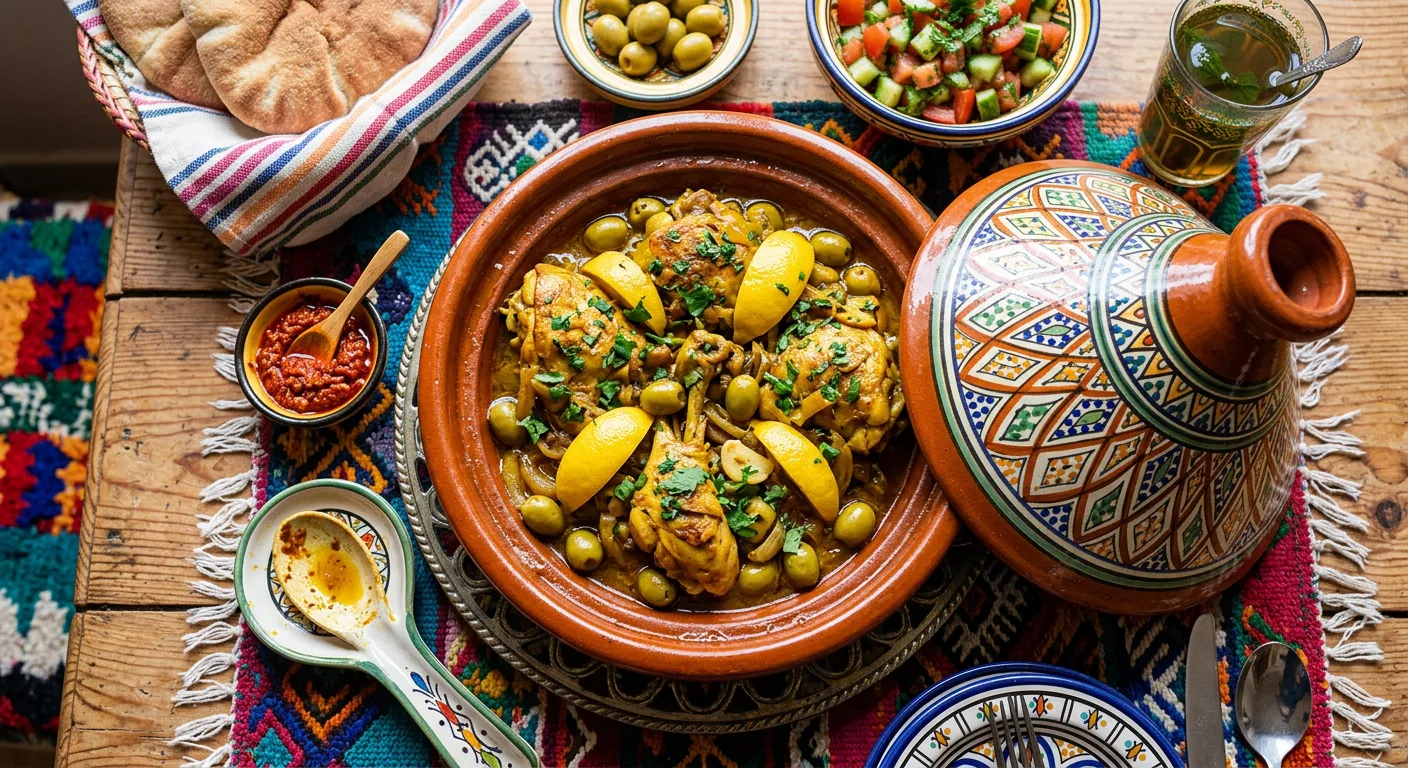
- Evening tagine + salads + mint tea at a medina restaurant: 100–180 MAD (US$10–18)
- Fine-dining Moroccan tasting menu (top riads and restaurants): 400–700 MAD (US$40–70)
The field tip: walk two or three streets off the main square in any town and prices fall 30–50% while quality often rises — you end up eating where the porters and guides eat, which is exactly where you want to be.
What does it cost to reach the mountains?
Getting around is cheap and efficient. The state rail network (ONCF) handles the north and centre, CTM and Supratours coaches cover the rest, and shared grand taxis bridge the last stretch to the Atlas trailheads.
| Route | Mode | Cost (USD) |
|---|---|---|
| Casablanca → Marrakech | Train (2nd class) | US$9–12 |
| Marrakech → Fès | CTM bus (overnight) | US$14–18 |
| Marrakech → Merzouga (Sahara) | Shared taxi + local transfer | US$12–20 |
| Within city (petit taxi) | Metered taxi | US$1.50–4 |
| Private transfer (full day) | Chauffeur vehicle | US$80–140 |
Sample daily budgets in USD
These are honest all-in per-person daily costs from real field prices, not the optimistic averages you see elsewhere.
- Lean self-supported walker (US$35–55/day): hostel or basic gîte bunk, street food, public buses and shared taxis to the trailheads, free walking and the odd museum (20–70 MAD).
- Comfortable independent (US$80–130/day): en-suite guesthouse or simple riad, sit-down meals, a mix of public transport and the occasional private taxi, a guided walking day every few days.
- Mid-range with comfort (US$150–220/day): boutique riad with breakfast, two restaurant meals, private transfers to the mountains, a guided half-day on most days.
- Fully supported guided trek (US$250–400/day): gîte and riad nights, your mountain guide and muleteers, private vehicle, most meals and fees, with the guide alongside you for the whole trek. The same staffed expedition in the Alps would cost two to three times as much.
Where is it worth spending more?
A few well-chosen upgrades repay themselves many times over. The three where the jump in quality per dollar is steepest:
- A qualified mountain guide: on the Toubkal massif and the high passes this is the one place not to economise — a trained local guide reads the weather, the altitude and the route, and turns a risky DIY walk into a safe, richer one.
- Your beds: the gap between a US$40 guesthouse and a US$90 proper riad — or between a bare bunk and a warm, well-run gîte — is enormous for tired legs: a tiled courtyard, a real breakfast and hosts who know the hills.
- A night in the Sahara: the mid-range desert camp (US$120–150 all-in) is worth prioritising over cutting corners — the silence, the dunes and the sky after a week of walking are things you carry for life.
For trek ideas across every budget level, see our private tour options or browse our destination guides.
Frequently asked
What does a day in Morocco realistically cost a budget trekker?
Self-supported and lean, US$35–55 a day covers a hostel or cheap guesthouse, street food, public buses and free or low-cost sights between mountain stints. A more comfortable independent walker — en-suite riads, sit-down meals, the odd guided day — runs US$80–130. A fully supported guided trek with Atlas Trekking Co., including gîte and riad nights, your mountain guide, muleteers, transport and most meals, lands around US$250–400 a day all-in, which is strong value for a staffed expedition compared with anything similar in the Alps.
What is the cheapest way to reach the trailheads and move between cities?
For city-to-city legs, CTM and Supratours coaches are cheapest at roughly US$8–18 (Marrakech–Fès, Marrakech–Agadir), and ONCF trains link Casablanca, Rabat, Fès, Meknès and Marrakech for similar money in second class. To reach the mountains, shared grand taxis run from Marrakech to Asni and on toward Imlil for a few dollars a seat — you just wait for the car to fill. A private transfer costs more but gets a group to the trailhead on your schedule with all the kit.
How do I avoid overpaying for gear and souvenirs in the souks?
Haggling is the norm — the opening price is never the real one. Counter at around half, then settle in the middle. Never name a figure you aren't willing to honour, and don't feel cornered; walking away is always allowed and often summons the best price. Fixed-price ('prix fixe') shops genuinely hold their prices and are handy for gauging what a fair number looks like before you bargain elsewhere — useful when you're picking up a scarf, a blanket or a teapot to carry home.
Is it cheap to eat around a trek?
Very. A bowl of harira and bread at a market stall is 10–15 MAD (about US$1) — ideal trail fuel. A three-course lunch at a workers' restaurant (no tourist menu) runs 40–60 MAD (US$4–6), and an evening tagine with mint tea at a visitor-friendly medina spot is 100–180 MAD (US$10–18). On the mountain itself meals are usually bundled into your trek price. Tourist restaurants on the main squares charge European rates — fine, but you eat better for less two streets back.
Are gîtes and riads genuinely affordable?
Yes. A hostel dorm bunk is US$8–14 a night, a private room in a guesthouse or simple riad US$25–45, and a mid-range en-suite riad with terrace and breakfast in the Marrakech medina US$70–130. Up in the valleys, a bed in a Berber gîte with dinner and breakfast is modest and often folded into a guided trek. The value gap against comparable Mediterranean destinations is real — the room that costs US$120 in Lisbon might be US$45 here.
Making every dirham count
We'll build a trek that fits your budget exactly.
Whether it's a lean valley trek or a fully supported expedition to the Toubkal summit, we cost every itinerary on real field prices with no surprises. Send your dates and we'll come back with a full costed proposal.
Request a quote