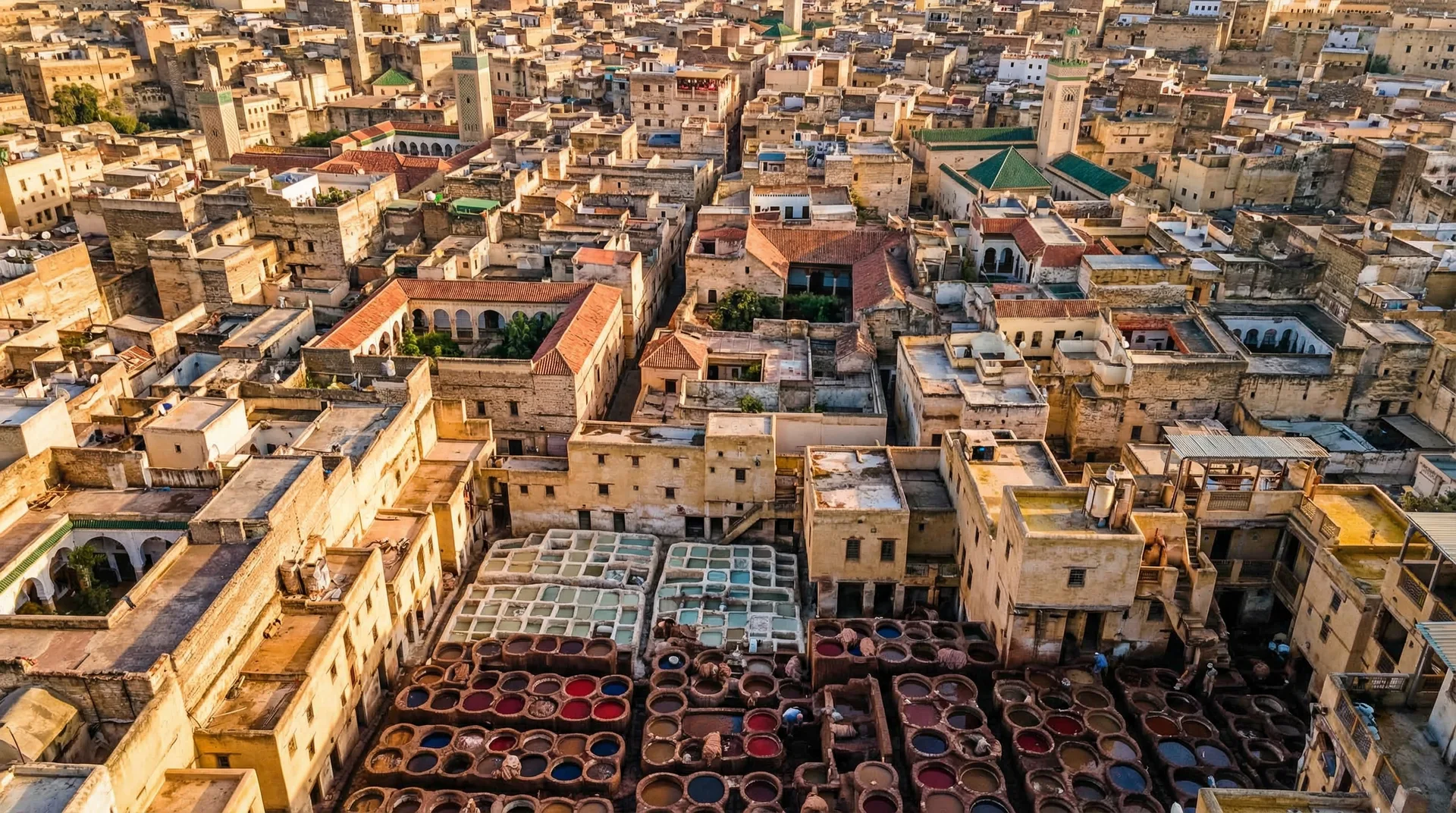
Travel guides
Plan a better Morocco trip.
Honest, practical guides from Atlas Trekking Co. — the questions every traveller asks, answered with real numbers and local knowledge.
52 guides available
Itineraries
Itineraries guides
Day-by-day routes our concierge builds, from first-timers to slow travellers.
 Itineraries
 · Ten days
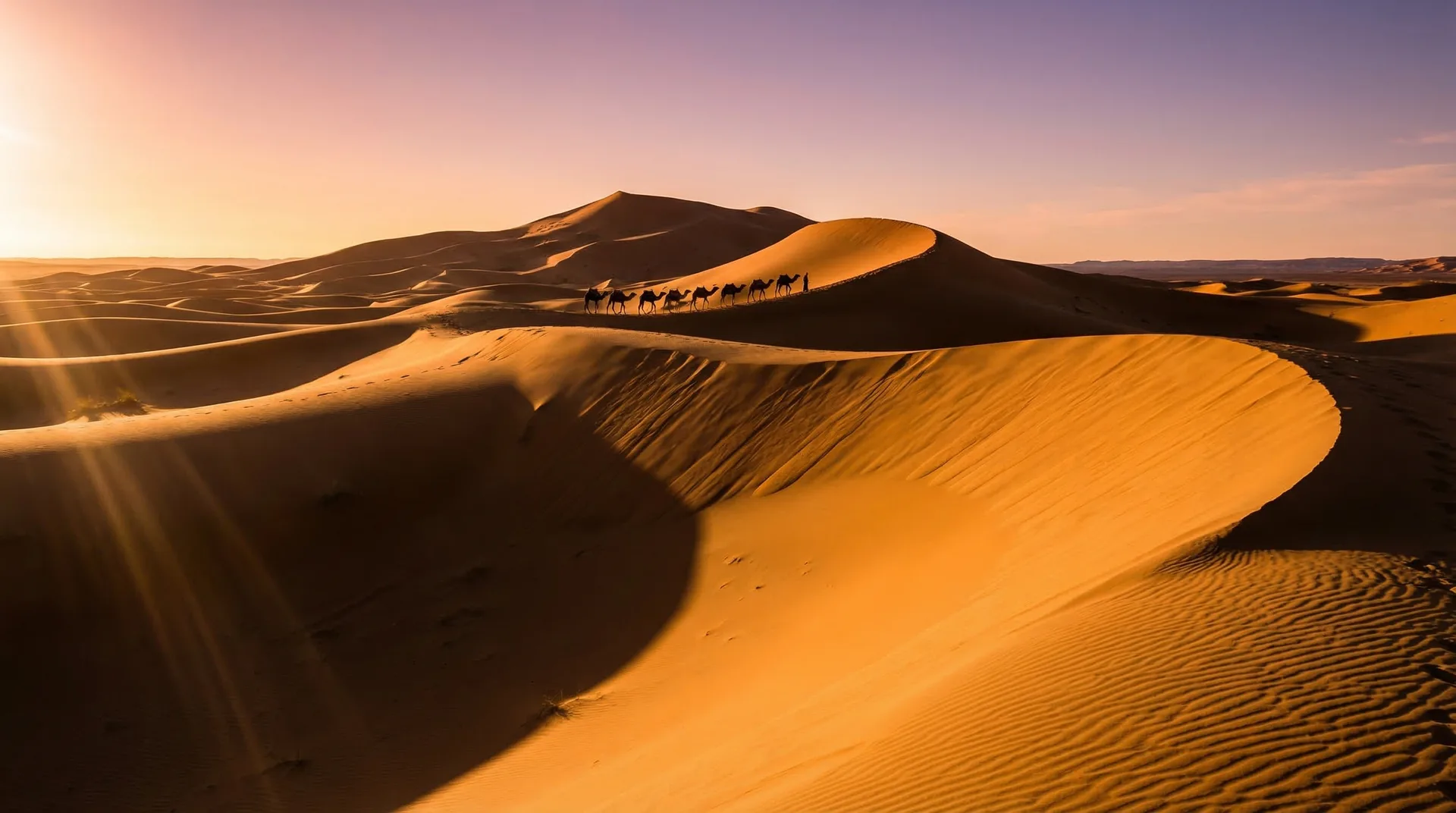
Morocco Itinerary: 10 Days
Ten days is the sweet spot for a trekking-led Morocco trip — long enough to summit Toubkal, traverse Berber valleys and still add the Sahara's contrast, with breathing room to acclimatise and recover.
 Itineraries
 · Two weeks
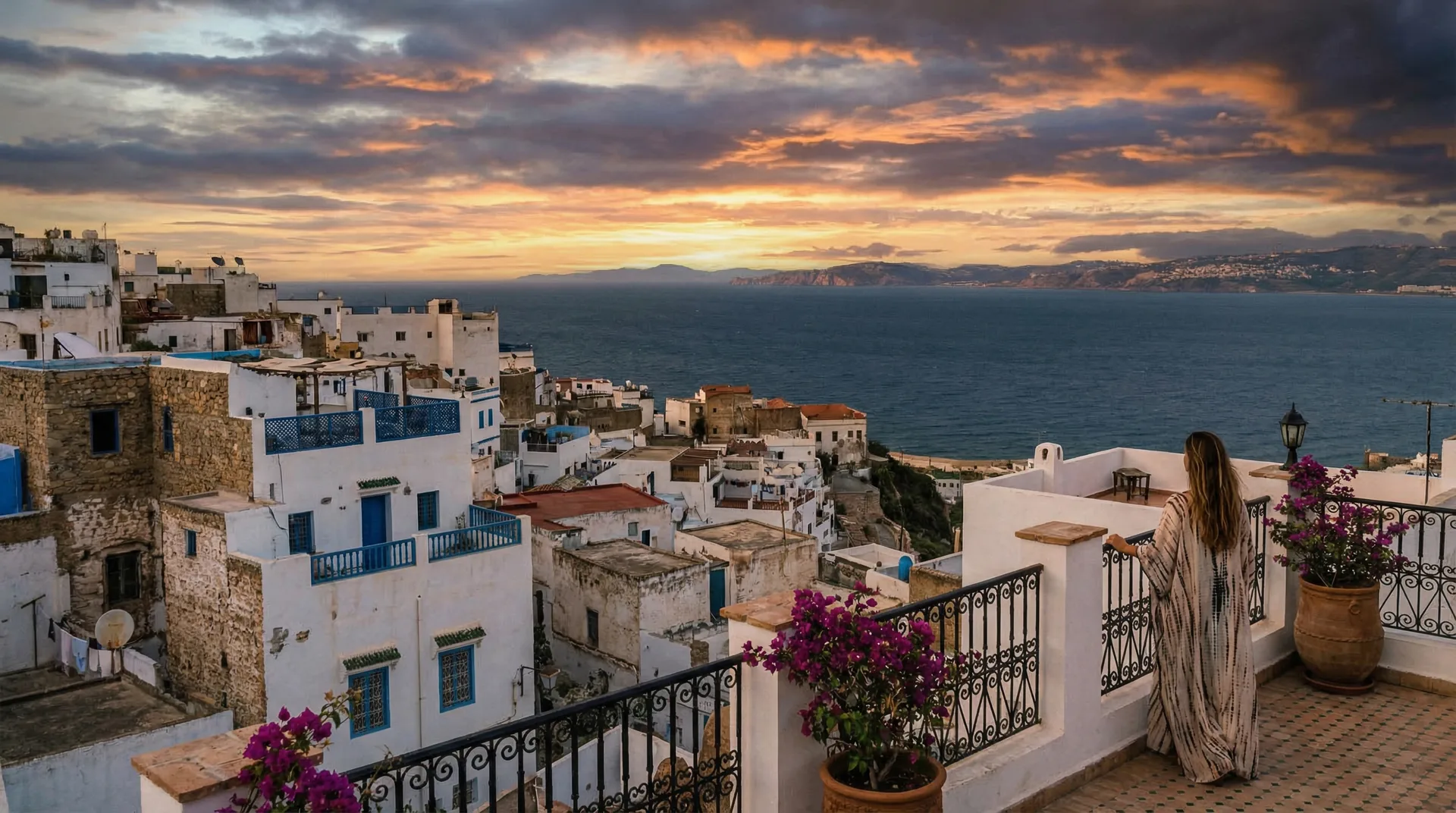
Morocco Itinerary: 14 Days — The Grand Two-Week Route
Two weeks is the ideal length to put a proper High Atlas trek at the heart of a full Morocco loop: a multi-day Toubkal-area traverse, the imperial cities, the kasbah road, a Sahara night and the Atlantic coast — all at an unhurried, well-acclimatised pace.
 Itineraries
 · Family
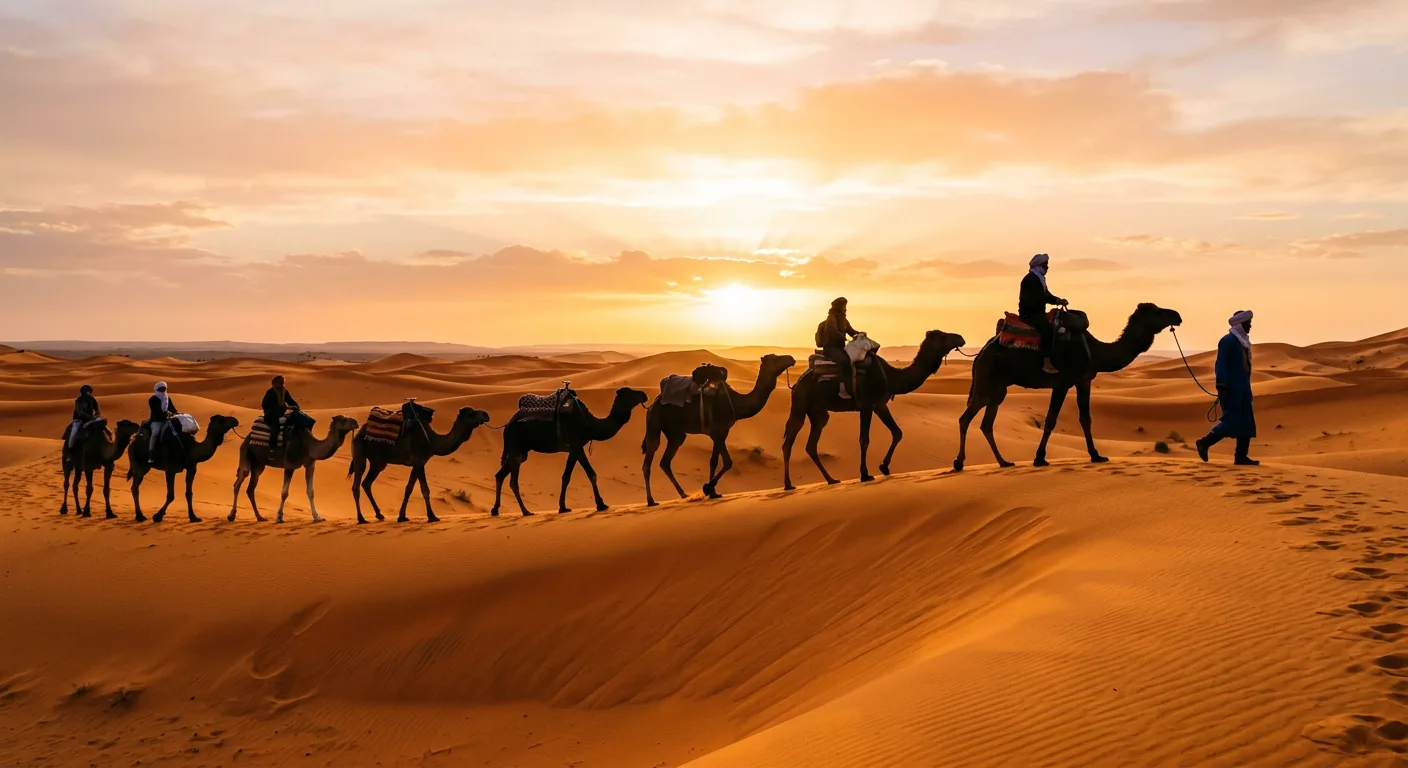
Morocco Family Itinerary: 10 Days with Children
A 10-day family itinerary that adds a gentle taste of the High Atlas — a mule-supported day walk and a Berber village — to the classic Marrakech, Sahara and coast loop. Built around children's energy and attention spans, with riad pools, manageable drives and the camel ride every child remembers.
ItinerariesItineraries · Trip length
How Many Days Do You Need in Morocco?
For a trekking trip, plan on 7–14 days. Five days squeezes in a quick Toubkal summit; seven gives a comfortable summit-plus-Marrakech week; ten to fourteen lets you fold in a village traverse, the Sahara or the coast without rushing the acclimatisation altitude demands.
 Itineraries
 · Road trip
Morocco Road Trip Guide: Routes, Tips & What to Expect
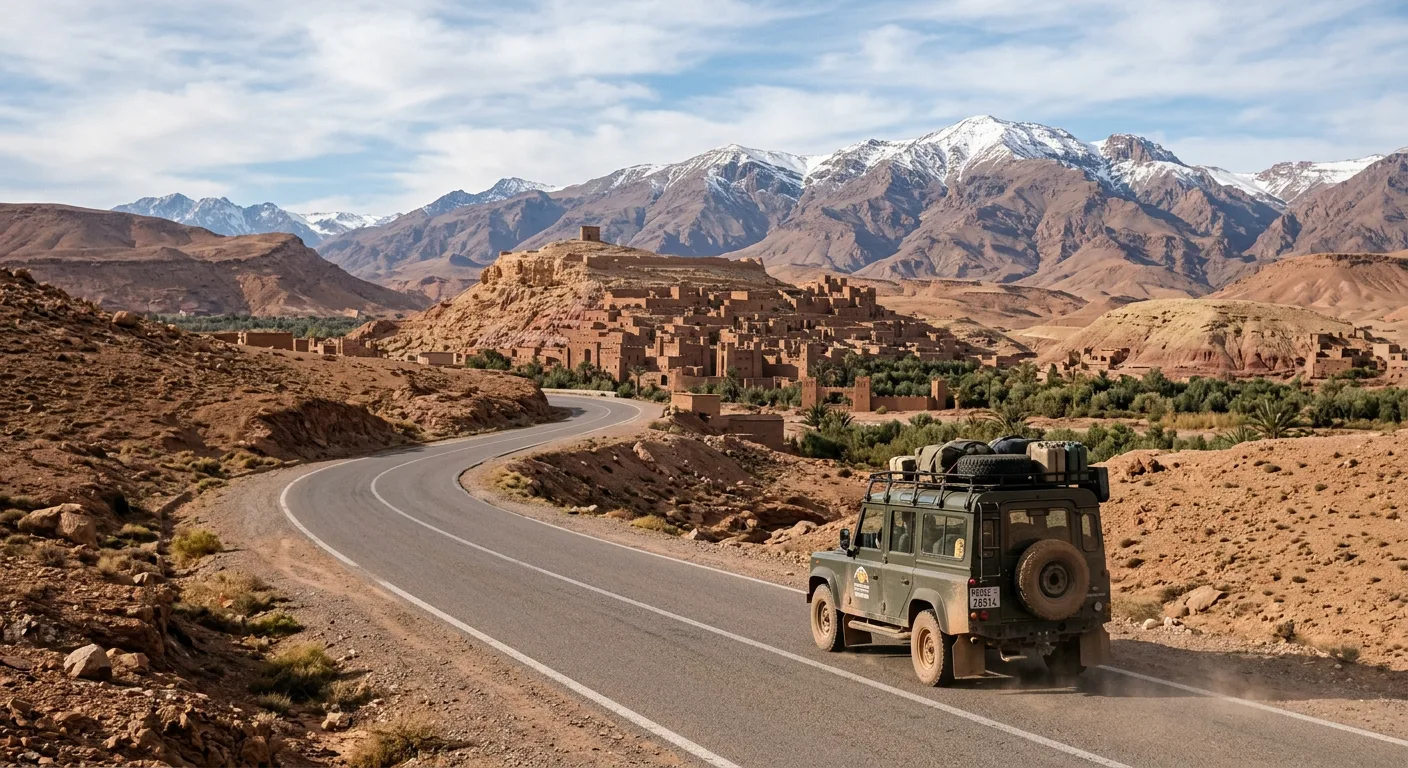
Self-driving Morocco lets a trekker string together the trailheads and the great Atlas passes at their own pace — the Tizi n'Tichka and Tizi n'Test switchbacks, the kasbah road and the Drâa oases. Here is how to plan it, what the mountain roads are really like, and where a hire car helps or hinders a walking trip.
ItinerariesItineraries · Desert tour
Morocco Desert Tour from Marrakech: The Complete Route Guide
The desert run from Marrakech climbs the same Tizi n'Tichka pass that crosses the High Atlas you can trek, then drops through the kasbahs and gorges to the Sahara at Merzouga — a natural extension of a mountain trip. This guide covers every stage, from day-trip to five-day circuit, with real timings and how to fold in some walking.
Planning
Planning guides
When to come, what it costs and how to shape the trip before you fly.
 Planning
 · When to go
The Best Time to Visit Morocco
For trekking the High Atlas, April–June and September–October are the prime windows — snow has cleared from the Toubkal trails, the valleys are green and the nights are crisp rather than brutal. The rest of Morocco shifts season by season, but the mountain calendar is what should anchor a trekking trip.
PlanningPlanning · Visa & entry
Morocco Visa & Entry Requirements
Most trekkers — including US, Canadian, UK, EU/Schengen, Australian, New Zealand and Japanese passport holders — enter Morocco visa-free for up to 90 days, far longer than any Atlas itinerary needs. You need a passport valid for at least six months beyond arrival, ideally with the off-mountain admin sorted before you fly so day one can be a trailhead day.
 Planning
 · Money
Morocco Travel Costs & Budget
An Atlas trek can be done on almost any budget. The core costs are predictable: a licensed mountain guide runs roughly MAD 500–800 (US$50–80) per day, mules around MAD 150–200 per day, and refuge or gîte nights are modest. Budget independent trekkers manage on US$60–100 per day; fully supported private treks with transfers and full board run US$150–300+ per day.
 Planning
 · Ramadan
Travelling in Morocco During Ramadan
Ramadan reshapes the rhythm of Morocco, including the mountain villages where many guides and muleteers fast. Trekking is still very possible — guides work through it — but a little awareness of energy levels, meal timing and village courtesy makes for a smoother and more respectful trip.
PlanningPlanning · Solo & Women
Morocco for Women Travellers
Plenty of women trek the High Atlas solo and in small groups every year, and the mountain villages are among the most relaxed and respectful places in Morocco for women. The street attention you may meet in the Marrakech medina largely melts away once you're on the trail — knowing what to expect at each stage makes the trip thoroughly rewarding.
 Planning
 · Honeymoon
Morocco Honeymoon Guide
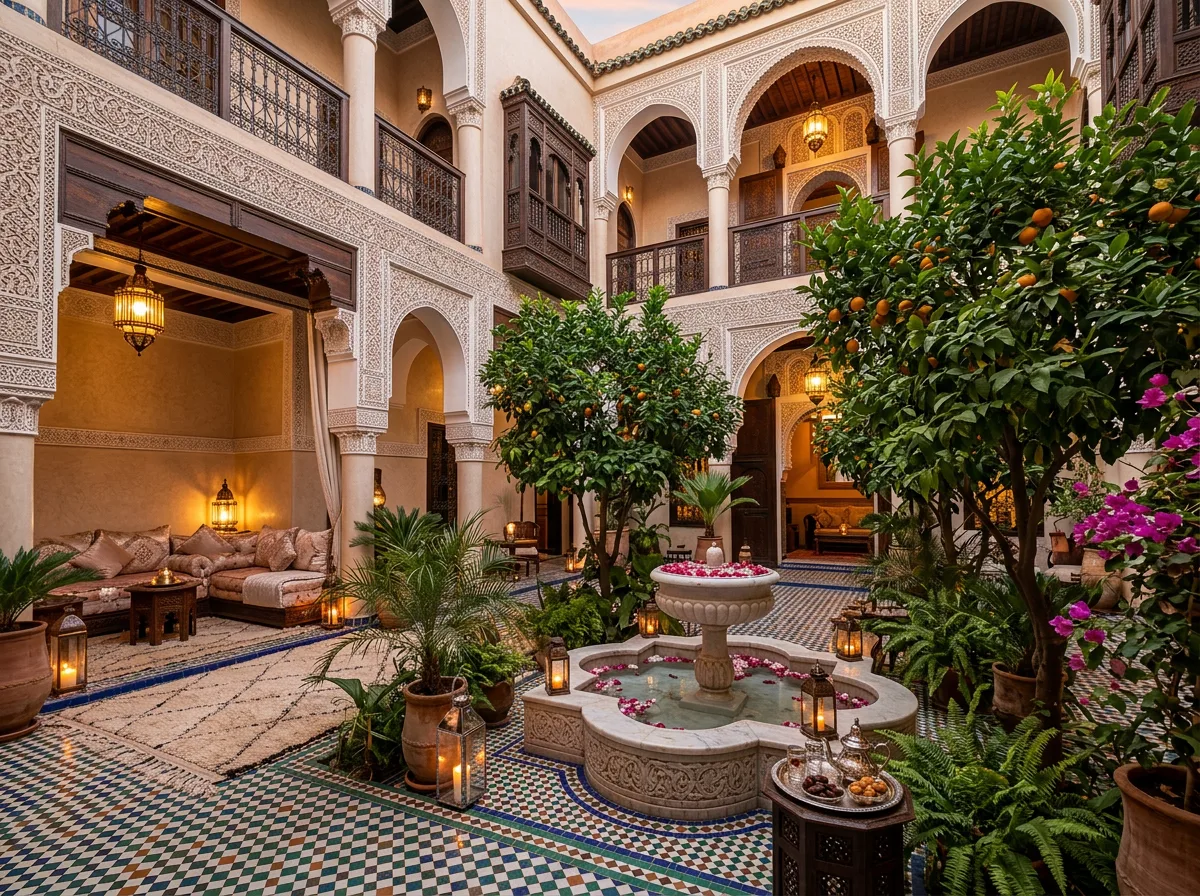
For active couples, Morocco offers a rare honeymoon: trek a Berber valley in the High Atlas by day and return to a candlelit riad or mountain lodge by night, then add desert dunes or the Atlantic coast. Here is how to blend adventure and romance into one unforgettable trip.
PlanningPlanning · Sahara
Sahara Desert Tour Guide: Merzouga, Chigaga & Zagora
The Sahara makes a superb counterpoint to a High Atlas trek — swap altitude and scree for dune-walking and a night under the stars. Three gateways compete: Erg Chebbi at Merzouga for grandeur, Erg Chigaga near M'Hamid for remoteness, and Zagora for a shorter add-on. Here is how to choose, what the camps are like, and when to go.
 Planning
 · Trekking
Trekking the Atlas Mountains: Toubkal, Imlil & Beyond
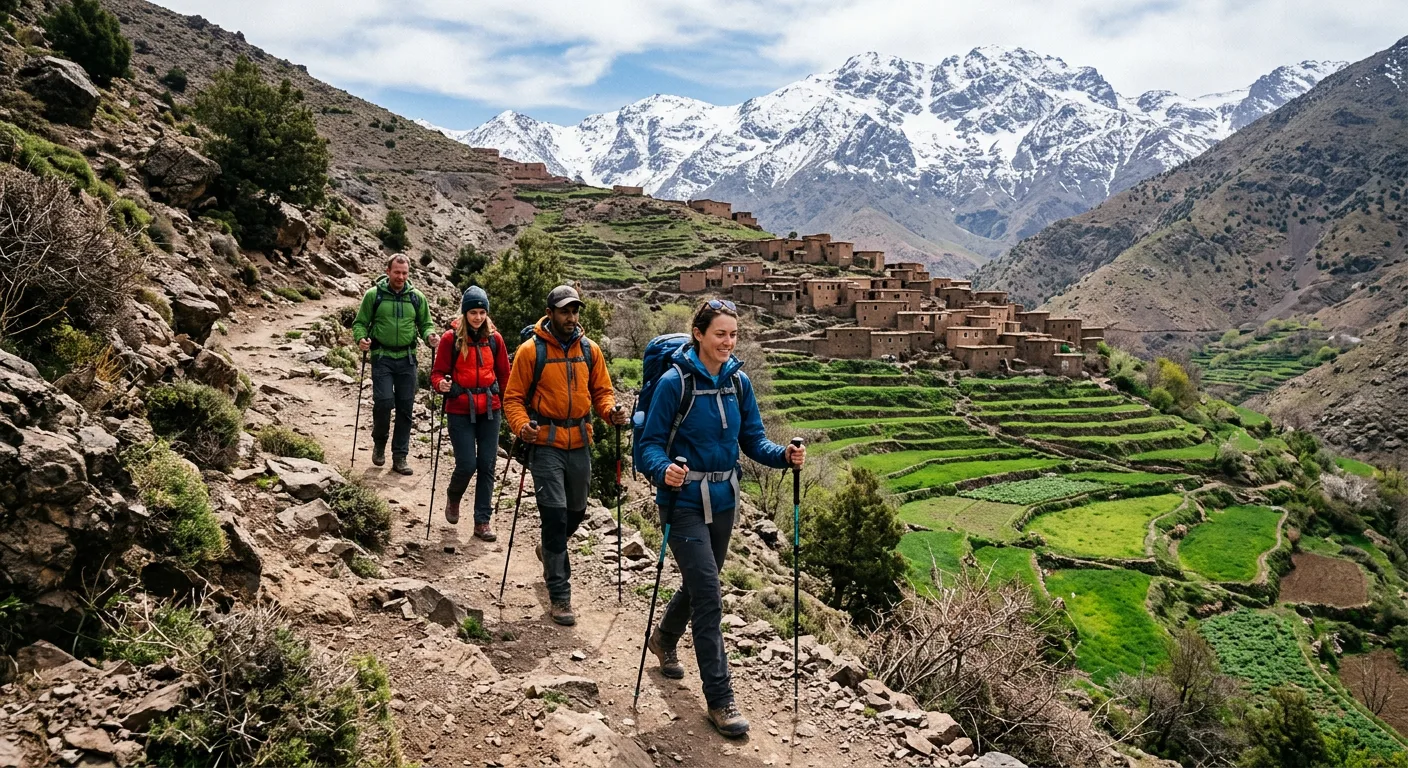
Jbel Toubkal crowns the High Atlas at 4,167 m — the highest summit in North Africa. This is our home ground: whether you want a gentle day from Imlil, a Berber-village traverse over mountain passes, or the summit itself, success comes down to the right season, a licensed guide, mule support and honest acclimatisation.
 Planning
 · Surf
Surfing in Morocco: Taghazout, Agadir & Imsouane
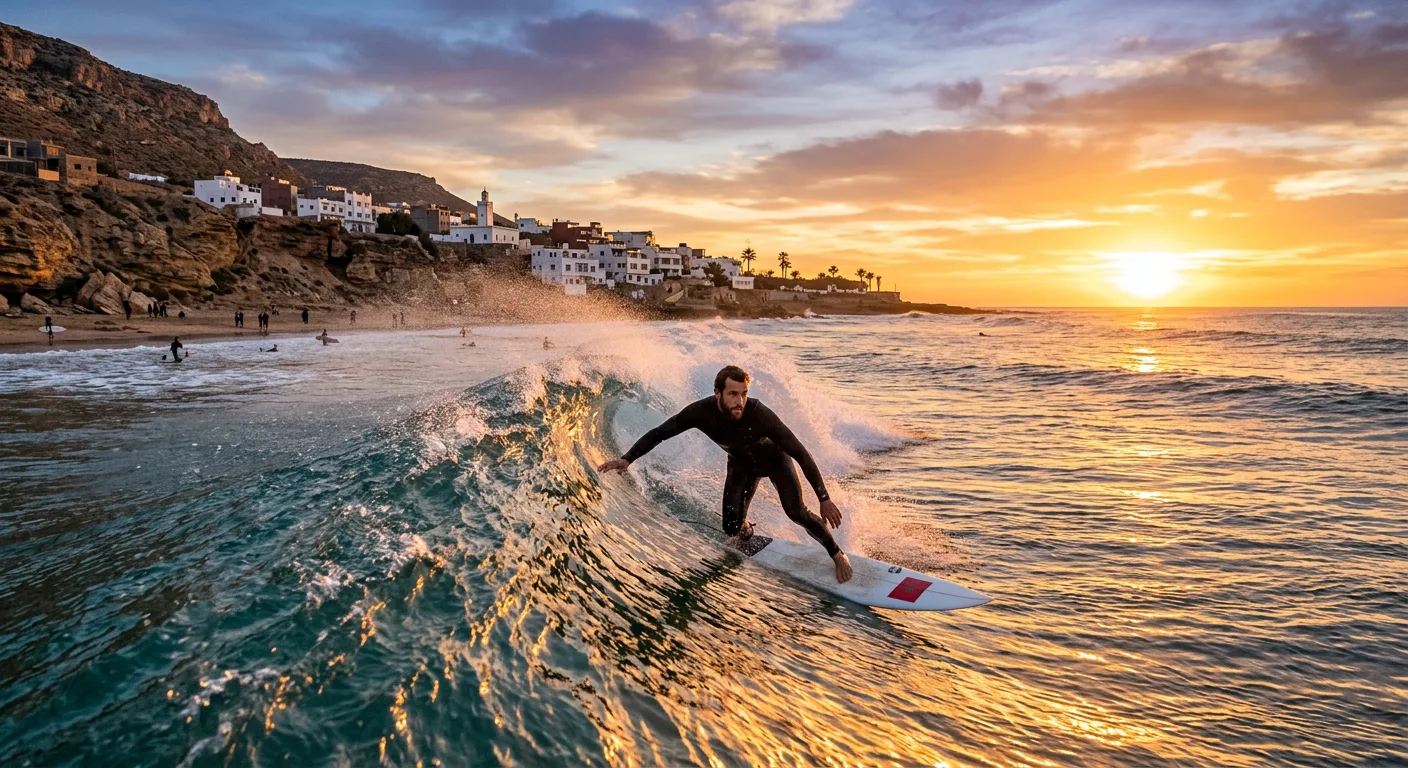
If you want to swap the mountains for the ocean, Morocco's Atlantic coast delivers consistent surf from September to April, mild winters and a laid-back scene around Taghazout — a natural wind-down after a hard Atlas trek, with long right-hand points at Imsouane and gentle beach breaks at Agadir.
PlanningPlanning · Marrakech
Things to Do in Marrakech: The Essential Guide
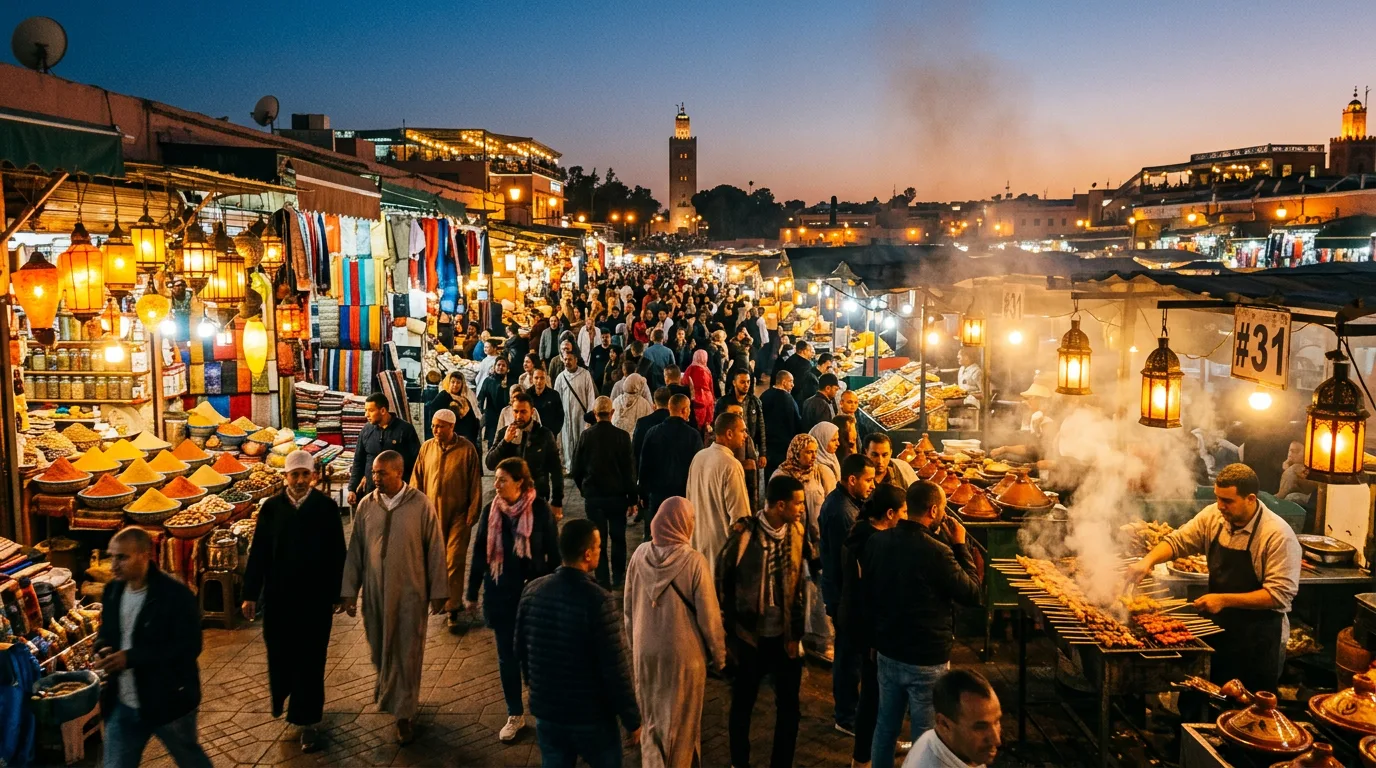
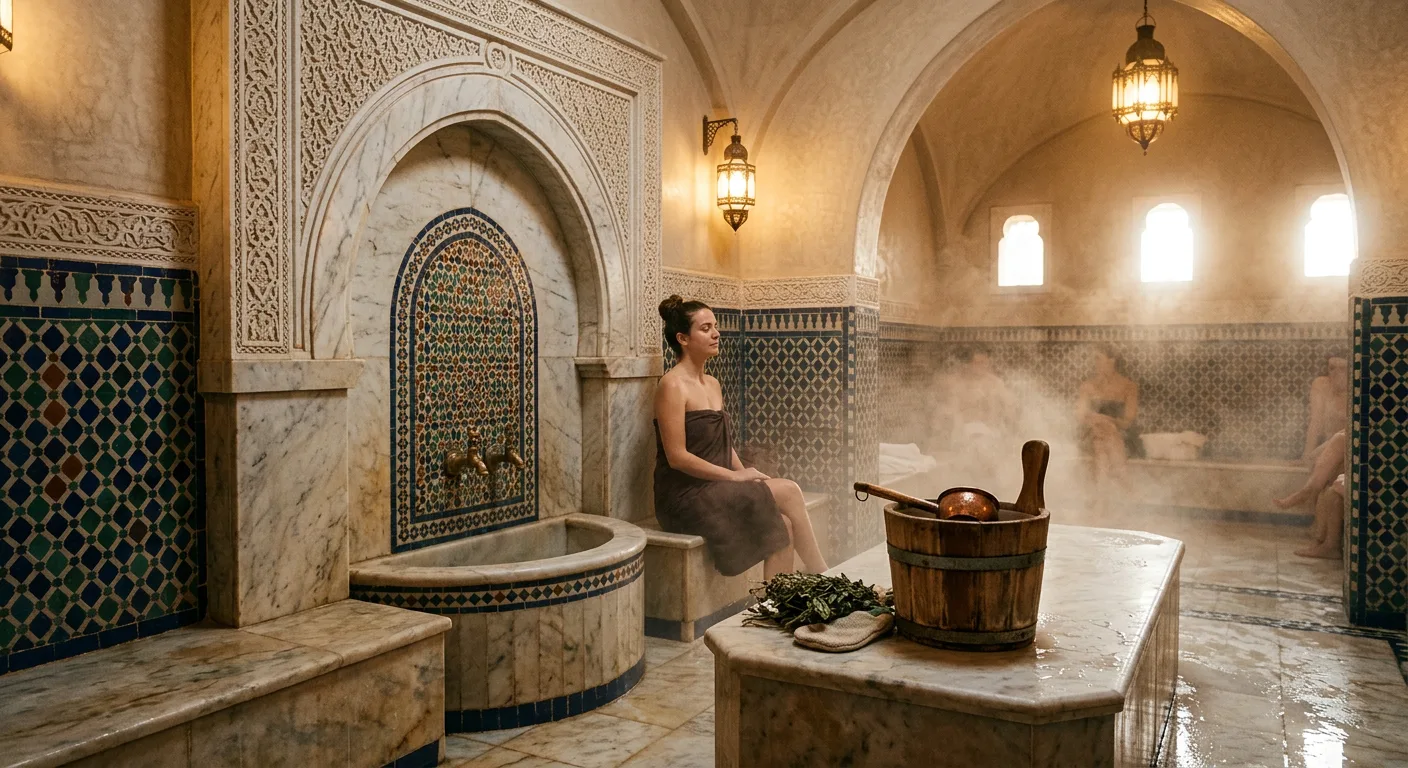
Marrakech is the gateway to the High Atlas — the city where almost every Toubkal trek begins and ends, 90 minutes from the Imlil trailhead. It's also a sensory feast in its own right: a medieval medina, restorative hammams, rooftop dinners and a square that comes alive each night. Here is how to spend your city days either side of the mountains.
PlanningPlanning · Fes
Things to Do in Fes: The Essential Guide
Fes el-Bali — the world's largest living medieval medina — makes a rich cultural bookend to an Atlas trek for those touring the north as well as the mountains. Its 9,400 lanes, 14th-century madrasas, ancient university and the Chouara tanneries demand a good guide, unhurried time and real curiosity.
 Planning
 · Chefchaouen
Things to Do in Chefchaouen: The Essential Guide
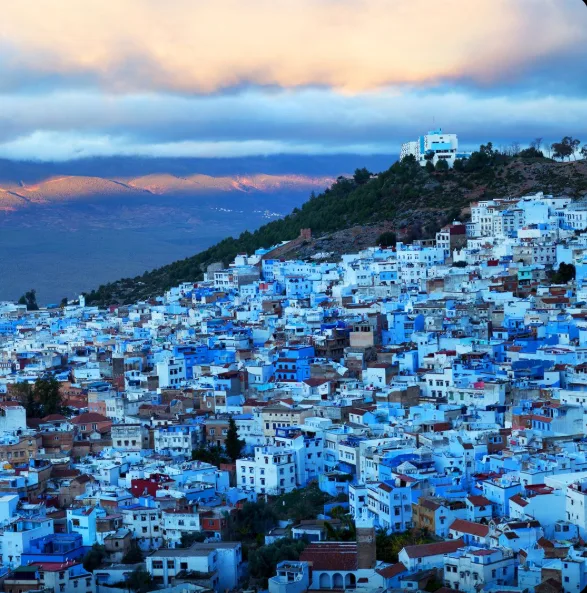
For trekkers drawn to Morocco's other mountains, Chefchaouen is the gateway to the Rif: a blue-washed town wrapped in walkable hills, with the Akchour gorge, the Talassemtane cedar forest and Jbel el-Kelaa all on the doorstep. The small medina is beautiful, the Rifian food distinctive, and the pace the slowest in the country.
 Planning
 · Essaouira
Things to Do in Essaouira: The Essential Guide
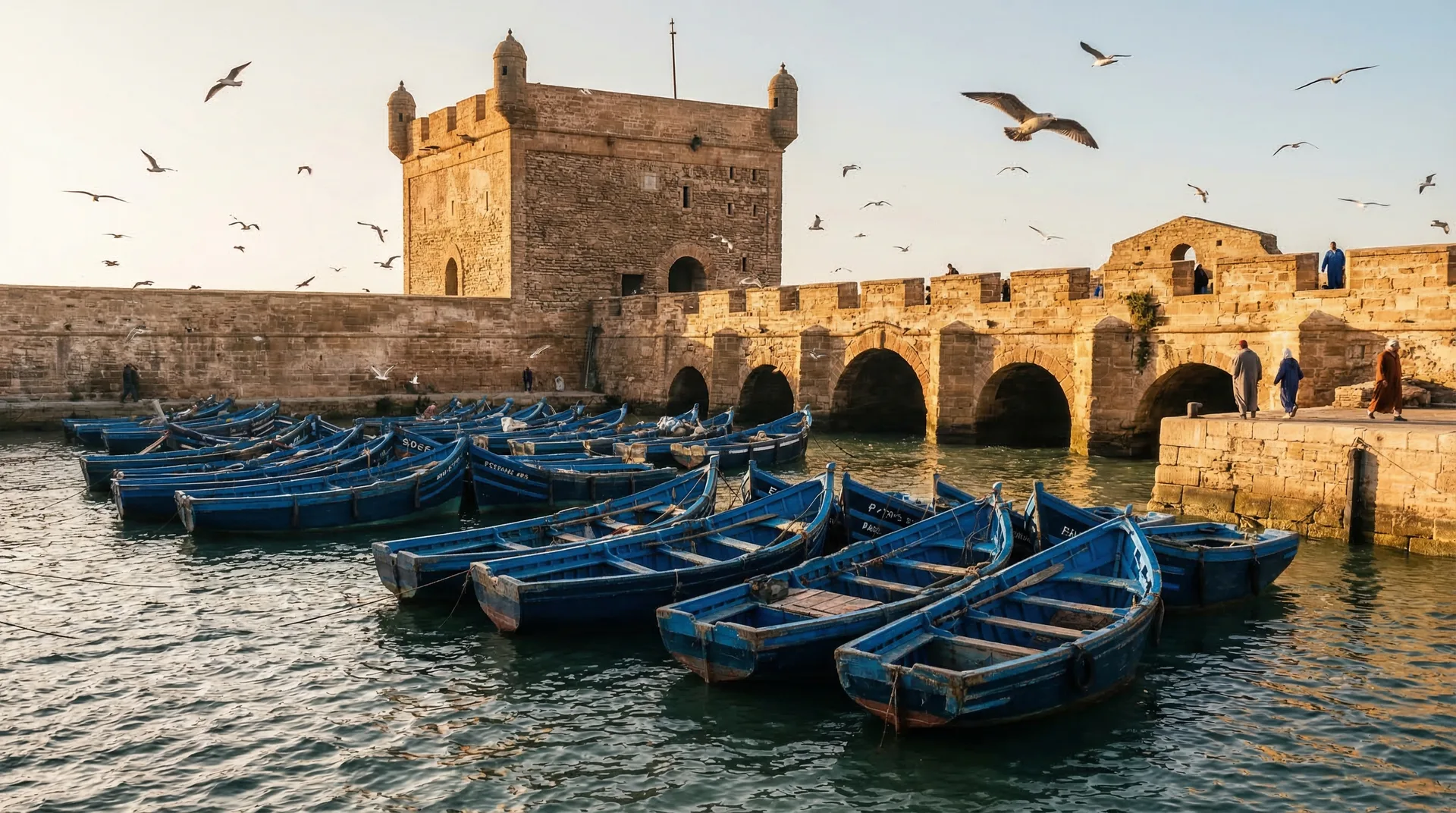
Essaouira is the perfect post-trek decompression — a breezy Atlantic port three hours from Marrakech where tired legs can recover over ramparts walks, fresh grilled seafood and a calm, liveable medina, with world-class windsurfing for anyone still craving action.
PlanningPlanning · Agadir
Things to Do in Agadir: The Essential Guide
Agadir is Morocco's beach-resort capital and a soft landing after the mountains — 10 km of Atlantic sand and year-round sun. For trekkers it's also a springboard to the Anti-Atlas foothills, Paradise Valley's rock pools, the argan forests and the surf coast at Taghazout.
PlanningPlanning · Rabat
Things to Do in Rabat: The Essential Guide
Rabat, Morocco's understated capital, makes a calm cultural pause on a wider tour: UNESCO-listed monuments, a royal kasbah, Roman-era ruins and a genuine everyday rhythm free of the tourist pressure of Marrakech or Fes.
PlanningPlanning · Tangier
Things to Do in Tangier: The Essential Guide
Tangier — perched where the Atlantic meets the Mediterranean — has shed its faded reputation to become one of Morocco's most interesting cities: a restored kasbah, a rebuilt seafront, Rif-mountain day trips, and a literary past as a haunt of expatriate writers consciously reclaimed.
PlanningPlanning · Casablanca
Things to Do in Casablanca: The Essential Guide
Casablanca is Morocco's largest city and a common arrival point — a modern, cosmopolitan metropolis built on Atlantic commerce. Its centrepiece, the Hassan II Mosque, is among the most extraordinary buildings on earth, and the Corniche, the food and the Art Deco streets reward anyone who lingers beyond the airport transfer to the mountains.
PlanningPlanning · Ouarzazate
Things to Do in Ouarzazate: The Essential Guide
Ouarzazate — 'the door of the desert' — sits just over the High Atlas via the Tizi n'Tichka pass, the natural stopover when you combine an Atlas trek with the Sahara. It's the gateway to Aït Ben Haddou and the Drâa Valley, and home to Atlas Studios, one of the busiest film backlots outside Hollywood.
PlanningPlanning · Meknes
Things to Do in Meknes: The Essential Guide
Meknes — the quietest of Morocco's four imperial cities — rewards anyone who lingers: a UNESCO medina, the monumental gates and granaries of Moulay Ismail's 17th-century capital, and the Roman city of Volubilis 33 km north. A calm cultural day on a wider Morocco tour.
PlanningPlanning · Winter travel
Morocco in Winter: What to Expect & Where to Go
Winter (December–February) transforms the High Atlas into a snow-mountaineering destination: Toubkal under crampons and ice axe is a serious, beautiful objective for equipped trekkers with a guide. Lower down, the cities and Sahara are at their most comfortable. Knowing what the snow means for your plans, and what to pack, makes a winter trip rewarding.
PlanningPlanning · Summer travel
Morocco in Summer: Heat, Coast & What Still Works
Summer (June–August) bakes the Moroccan lowlands, but the High Atlas comes into its own: the snow has gone, the high routes are open, and summit days are achievable with dawn starts. Pair the cool mountains with the Atlantic coast and summer becomes a fine season to trek — if you escape the heat of the cities and the Sahara.
PlanningPlanning · Solo travel
Morocco Solo Travel: An Honest Guide
Solo trekking in Morocco is rewarding and genuinely feasible — and once you're on the trail with a licensed Atlas guide, the friction of solo city travel largely disappears. It demands a little more awareness than a group trip, but the freedom, the village encounters and the depth of the mountains are hard to match.
PlanningPlanning · Marrakech season
Best Time to Visit Marrakech
March to May and September to November are the best months for Marrakech — and they line up neatly with the prime High Atlas trekking seasons, so you can pair city days with the mountains in comfort. Summer is hot but workable; winter is mild, crowd-free and snow sits on the peaks above.
PlanningPlanning · Sahara season
Best Time to Visit the Sahara in Morocco
October to April is the Moroccan Sahara's golden window — comfortable days, cold clear nights and dunes lit by low golden light. Helpfully, the autumn and spring ends of it overlap with the High Atlas trekking seasons, so a trek-and-desert trip lands both at their best. July and August are brutal and best avoided.
PlanningPlanning · Beaches
Best Beaches in Morocco
When your legs have earned a rest, Morocco's 3,000-plus km of coast is the reward — from the windswept ramparts of Essaouira to the calm family sands of Agadir, the surf at Taghazout and the quiet coves of the north. Here is where to unwind after the mountains, and when.
PlanningPlanning · Accommodation
Where to Stay in Morocco: Riads, Hotels & Desert Camps
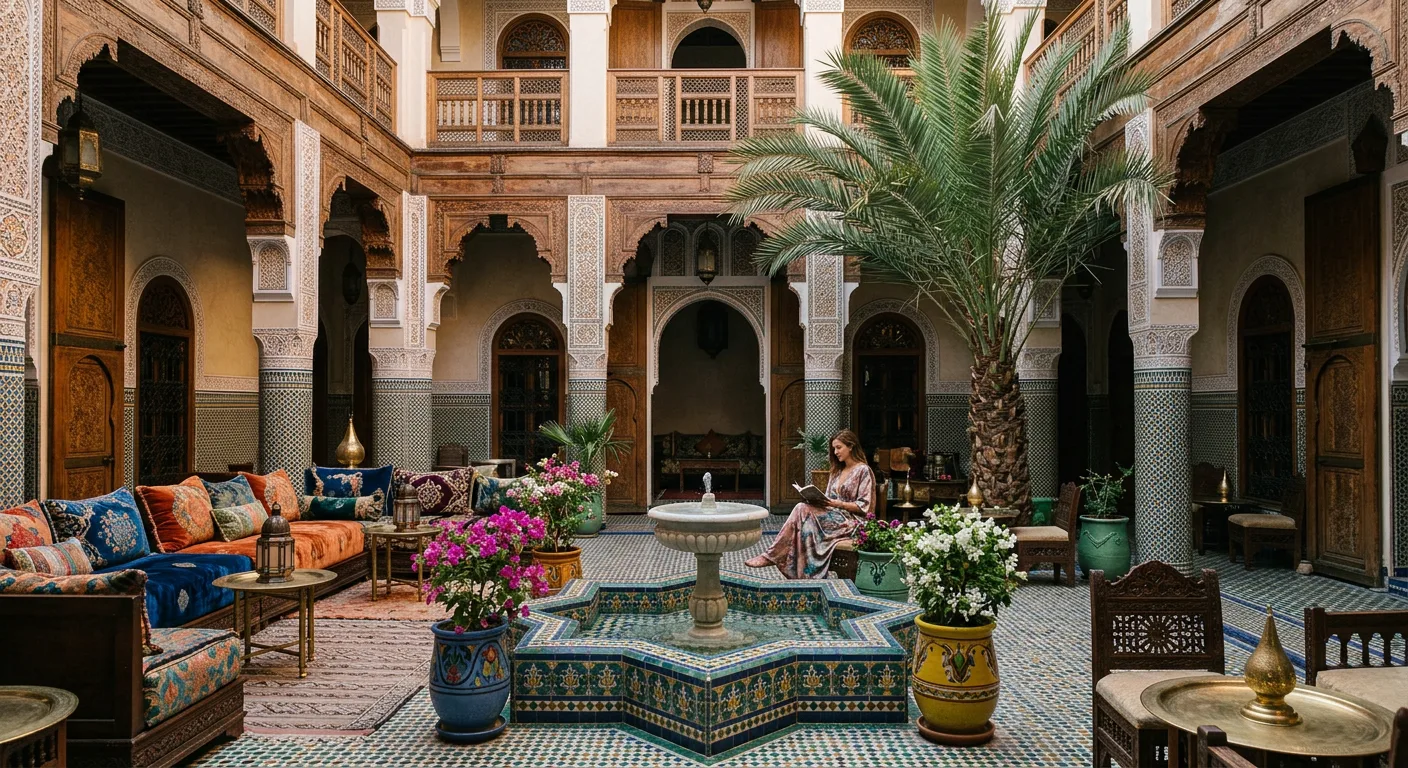
A trekking trip usually means two kinds of bed: a Marrakech riad to start and recover in, and the simple Berber gîtes and the Toubkal refuge on the mountain itself. Add a desert camp or coastal hotel and you've covered the lot. Knowing what to expect from each — and what to look for — makes a real difference.
PlanningPlanning · Baby & toddler travel
Morocco with a Baby or Toddler: A Practical Guide
You won't be summiting Toubkal with a baby, but Morocco with an infant is smoother than many parents expect — Berber and Moroccan culture adores small children, riads work well, and a gentle stroll in the Ourika foothills is an easy taste of the mountains for the whole family.
PlanningPlanning · When to go
Best Time to Visit Fes: Weather, Crowds & What to Expect
Spring (March–May) and autumn (September–November) are the best months for Fes — and they coincide with prime High Atlas trekking, so a northern cultural stop slots neatly around a mountain trip. Mild weather and manageable crowds make the labyrinthine medina a pleasure. Here is what each season brings.
PlanningPlanning · Desert activities
Morocco Camel Trekking: How to Plan the Perfect Sahara Ride
A camel trek across the Sahara dunes is the perfect change of pace after the High Atlas — a slow, rolling ride into the sand rather than a climb on your own legs. This guide covers the best dune locations, what to expect physically, how long to book and what a night in a desert camp really feels like.
PlanningPlanning · When to go
Best Time to Visit Chefchaouen: Season, Weather & Practical Tips
For trekkers eyeing the Rif rather than the High Atlas, spring (March–May) and autumn (September–October) are the best windows for Chefchaouen and its Talassemtane trails — mild weather, manageable crowds and gorgeous light on the blue medina. Here is what each season brings.
Practical
Practical guides
Safety, visas, money, packing and the ground-truth that makes a trip seamless.
PracticalPractical · Transport
Getting Around Morocco
For a trekking trip the key journey is Marrakech to the trailhead — usually the 90-minute road up to Imlil for Toubkal, or the Ourika valley for day walks. The ONCF trains serve the cities, but the mountains run on private transfers and shared grand taxis. The right mix depends on your route and pace.
PracticalPractical · Getting there
Marrakech to Merzouga: Routes, Times & Transport Options
Linking an Atlas trek to the Sahara means the Marrakech-to-Merzouga run — roughly 550 km over the High Atlas via the Tizi n'Tichka pass. It's a long haul but one of North Africa's great drives, threading the same mountains you've been walking. Here are the routes, timings and how to choose.
PracticalPractical · Pre-trip checklist
Morocco Travel Checklist: Everything to Do Before You Go
A complete pre-departure checklist for a Morocco trekking trip: documents, guide and refuge bookings, money for the trail, altitude-aware health prep, connectivity and gear — everything to confirm before you board so nothing is left to chance on the mountain.
PracticalPractical · Airport transfers
Getting from Casablanca Airport (CMN) to Your Destination
Many Atlas trekkers land at Casablanca Mohammed V Airport (CMN), Morocco's busiest gateway, then push on to Marrakech for the mountains. The Al Boraq high-speed train links the airport to the rail network; a private transfer takes you door-to-door, even straight toward the trailhead, without hassle.
PracticalPractical · Insurance
Morocco Travel Insurance: What You Need & Why
If you're climbing Toubkal, travel insurance is non-negotiable: the summit at 4,167 m sits above the altitude limit of many standard policies, and a helicopter evacuation from the High Atlas costs a fortune uninsured. Here is exactly what to look for, what it costs, and how to make sure your high-altitude trek is actually covered.
PracticalPractical · Connectivity
eSIMs for Morocco: The Traveller's Guide to Staying Connected
An eSIM lets you activate a Moroccan data plan before you land — handy for confirming your trailhead transfer and guide the moment you arrive. Just don't expect it to follow you up the mountain: here is how eSIMs work in Morocco, which providers reach furthest, and where the signal runs out on the trek.
PracticalPractical · Health
Is Tap Water Safe to Drink in Morocco?
City tap water in Morocco is treated, but for a trek the real question is water on the trail: village taps, springs and stream water in the High Atlas are not reliably safe untreated. Carry purification tablets or a filter, drink bottled where it's sold, and never trust clear mountain water on looks alone — giardia hides in it.
 Practical
 · Dress code
What to Wear in Morocco: Dress Code for Travellers
On a trekking trip you'll dress for two worlds: practical layers and trail trousers on the mountain, and modest, covered clothing in the Berber villages and in Marrakech. Neither is a legal requirement, but covering shoulders and knees in the villages is respectful and makes everything smoother. Here is exactly what to wear, where, and why.
Culture
Culture guides
Food, etiquette, craft and the customs worth knowing before you arrive.
 Culture
 · Food
Moroccan Food & Drink
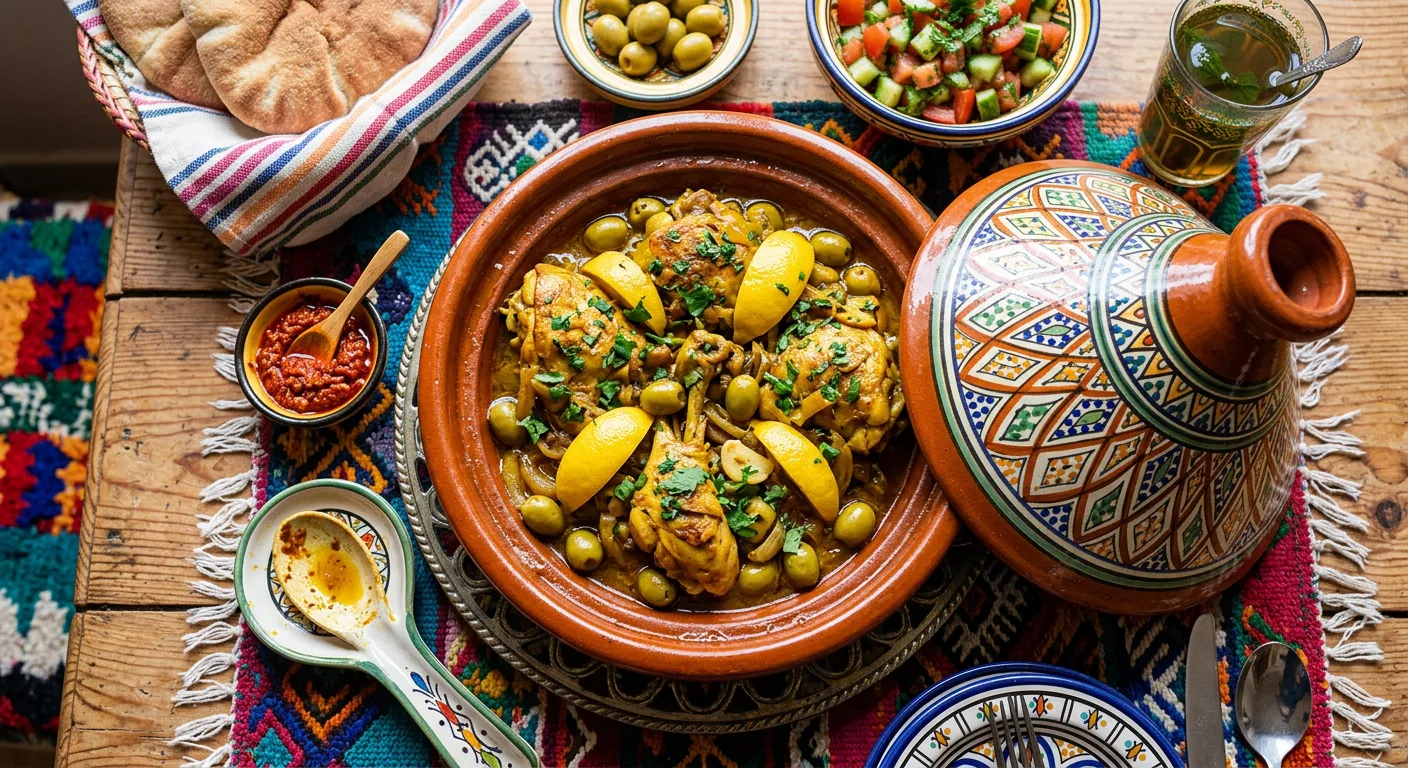
Mountain food is some of Morocco's best: a steaming tagine cooked over a wood fire in a Berber gîte after a long day's walk, bread baked that morning, and endless glasses of sweet mint tea. The same tagine-and-couscous tradition runs from the Marrakech souks to the highest village kitchens.
CultureCulture · Etiquette
Morocco Etiquette & Customs
A little cultural awareness goes a long way in the Berber villages of the High Atlas. Dress modestly, greet warmly, ask before photographing people, use your right hand, tip your guide and muleteers fairly, and embrace the unhurried pace of mint tea and mountain hospitality.
 Culture
 · Photography
Morocco Photography Guide
The High Atlas is one of Morocco's most rewarding landscapes to photograph: snow-streaked summits, terraced Berber villages, walnut groves and the cold clear light of altitude. Knowing where to be at sunrise, how to shoot on the move with a pack, and how to photograph village life respectfully makes all the difference.
CultureCulture · Language
Moroccan Arabic & French Phrases for Travellers
Morocco runs on Darija (Moroccan Arabic) and French in the cities, but in the High Atlas villages the first language is Tamazight (Berber). A few words in any of them — and especially a Tamazight greeting on the trail — opens doors that money never can.
CultureCulture · Shopping
Shopping in the Souks: What to Buy, Fair Prices & Tips
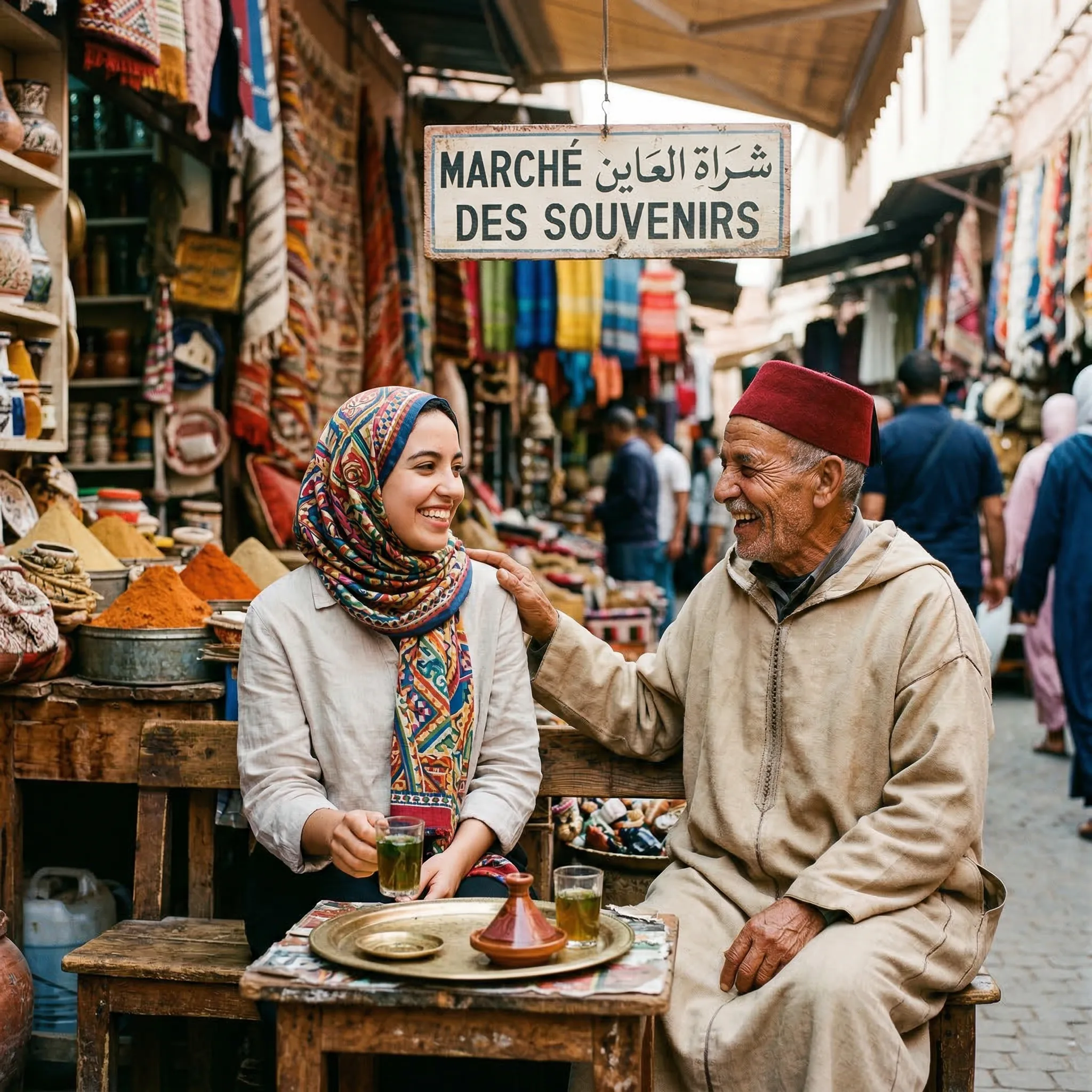
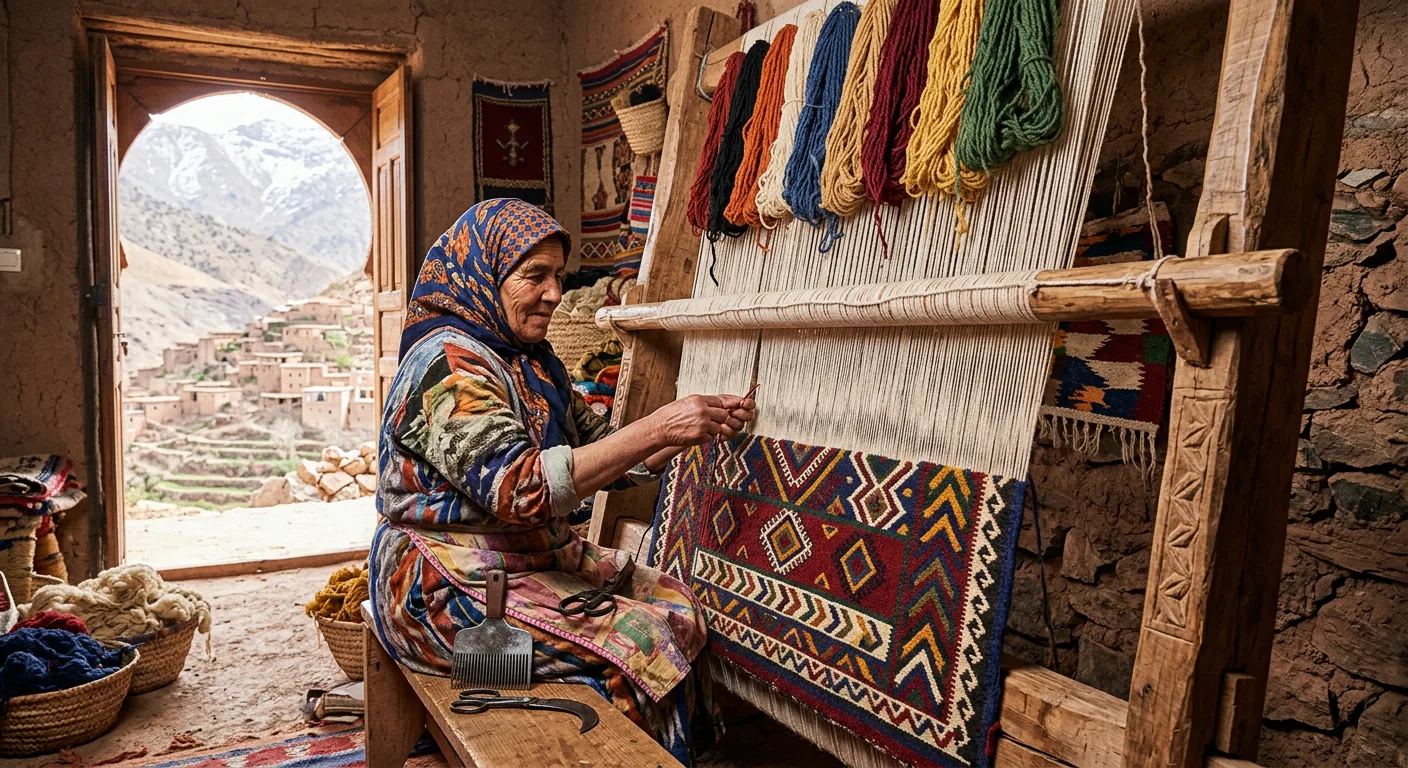
After a trek, the Marrakech souks are where you'll find the hand-knotted Berber rug woven in the very villages you walked through — plus leather, ceramics, lanterns and argan oil. Knowing what's genuine, what a fair price looks like, and how to bargain and ship turns the haul into a satisfying end to the trip rather than buyer's regret.
CultureCulture · Festivals & events
Morocco Public Holidays & Festivals
Morocco's calendar mixes moon-shifted Islamic holy days, fixed national holidays and vivid regional festivals — including the Kelaât M'Gouna rose festival in the Dadès Valley, which falls in May, the heart of trekking season. Knowing the calendar helps you plan around closures and time a trek to catch the country's best events.
CultureCulture · Souvenirs
Moroccan Souvenirs: What to Buy & Where
After a trek through the Atlas, the souvenir that means the most is a hand-knotted Berber rug woven in the very villages you walked through. Alongside it: Fes leather, argan oil, hand-painted ceramics and thuya wood. Here is what to buy, how to spot the real thing, and where to find it.
CultureCulture · Culinary
Moroccan Cooking Classes: What to Expect & Where to Book
Having eaten tagine after tagine in mountain gîtes, many trekkers want to learn to cook it themselves — and a Marrakech cooking class on a rest day is the ideal way: a souk shop for saffron and preserved lemons, then a tagine slow-cooked over charcoal. This guide covers what you'll learn, how to choose a class and what it involves.