The High Atlas is one of Morocco's most rewarding landscapes to photograph: snow-streaked summits, terraced Berber villages, walnut groves and the cold clear light of altitude. Knowing where to be at sunrise, how to shoot on the move with a pack, and how to photograph village life respectfully makes all the difference.
In this guide
Best mountain locations and light
The classic Atlas shots reward early starts. Imlil and the Ait Mizane valley glow at first light, with terraced fields and walnut trees against the peaks. The view from the Toubkal Refuge across to the summit catches alpenglow on a clear dawn, and the summit itself (4,167 m) gives a 360-degree panorama of the High Atlas ridges — though weather and your own exertion limit how much gear you'll wield up there. Lower down, the Ourika valley and the Setti Fatma waterfalls photograph beautifully in morning light.
Mountain light is best in the golden hours and unforgiving at midday, when high-altitude sun flattens contrast and blows out snow. Shoot early and late, watch for cloud rolling over the passes (dramatic, but it can swallow your subject in minutes), and use the foreground — a muleteer on a switchback, a village roofline — to give the scale of the range. After a snowfall, the contrast of white peaks above green valleys is the signature High Atlas image.
Photographing village life respectfully
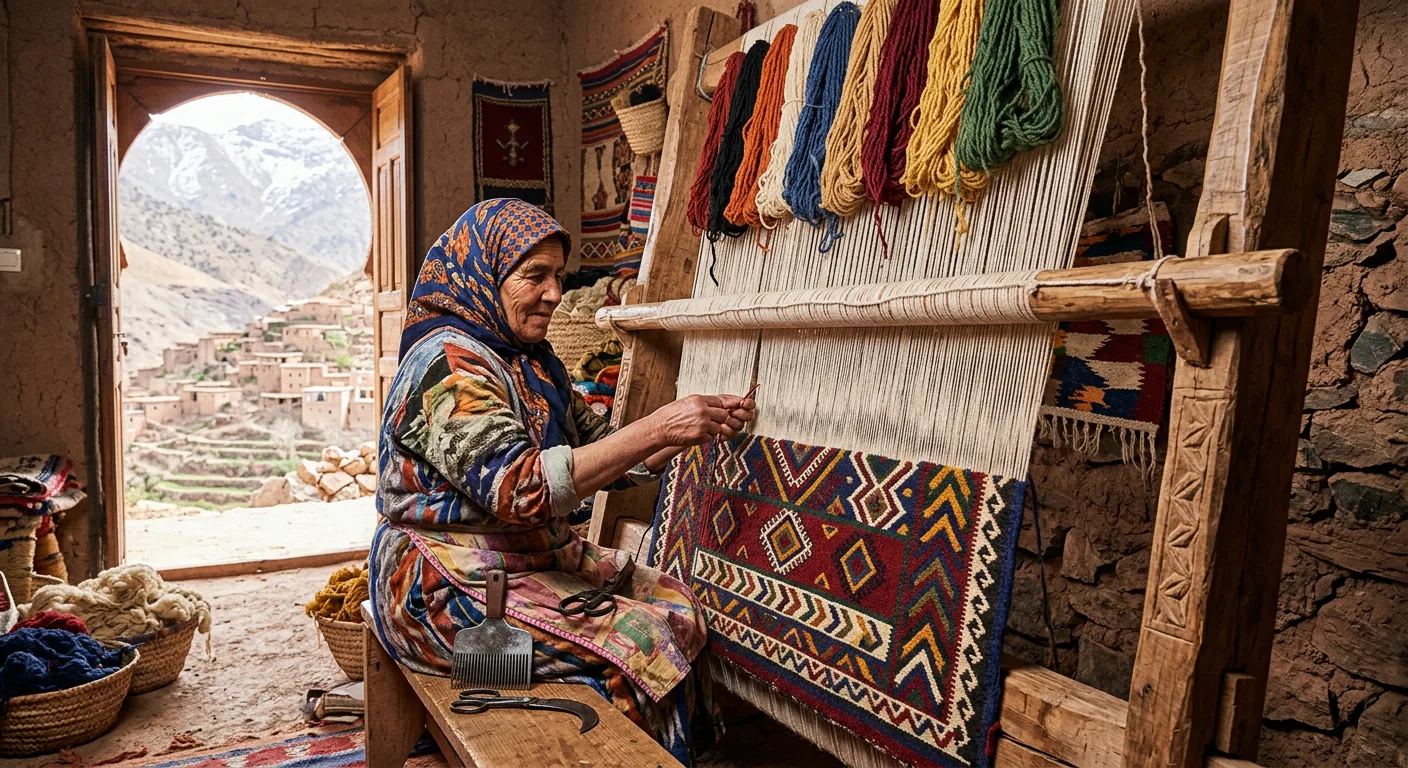
The single most important rule: ask before photographing people, every time. A shepherd on a ridge, a woman at a loom, children outside a gîte — each deserves the choice. The phrase to use is 'mumkin sura?' (may I take a photo?). Many will agree warmly; some may decline, and that must be respected without argument. Your guide can ease introductions and tell you when a shot would be intrusive.
Long-lens candid shooting of villagers who would decline if asked sits badly in the close communities of the Atlas, where you may pass the same people repeatedly over a multi-day trek. The strongest portraits come from connection, not distance — share a tea, learn a name, let the trek slow you down — and the images reflect that warmth.
Gear for shooting on the trek
Weight is everything when you're walking all day, so favour a versatile do-it-all zoom (24–70mm equivalent) over a heavy kit. A polariser cuts haze and deepens mountain skies and is genuinely worth its place. Cold above the refuge drains batteries fast — carry spares warm in an inside pocket. Trail dust and sudden weather mean a rain cover and lens cloths earn their keep, and a chest harness or hip pouch keeps the camera reachable without swinging while you scramble.
- Bring spare batteries and keep them warm — altitude cold flattens them quickly.
- A lightweight travel tripod pays off for dawn summit-glow and low-light gîte interiors.
- Modern phone cameras handle the Atlas light superbly — a fine ultralight option for a fast-and-light trek.
- Protect gear from spindrift, sudden rain and trail dust; pack a simple rain cover.
Drone rules in Morocco
Drone operation in Morocco requires authorisation from the Moroccan Civil Aviation Authority (DGAC). Flying without a permit is illegal, and drones have been confiscated at customs and in the field — including by trekkers hoping to film the Atlas peaks. The permit process is bureaucratic and slow. For most mountain travellers the advice is to leave the drone at home; the range is spectacular enough at ground level and the legal risk isn't worth it.
Frequently asked
Can you take photographs in the Atlas villages?
Of landscapes, terraces and general scenes — yes. Of people — always ask first with 'mumkin sura?'. On a multi-day trek you pass the same villagers more than once, so courtesy matters; let your guide ease introductions and advise when a shot would intrude.
When is the best time of day to photograph the High Atlas?
The golden hours — just after sunrise and before sunset — and the alpenglow on the peaks at dawn. Midday high-altitude sun is harsh and flattens snow and contrast. Watch the weather, as cloud over the passes can transform or erase a scene within minutes.
How do I protect my camera on a trek?
Carry it accessibly in a chest harness or hip pouch, keep a rain cover and lens cloth handy for sudden mountain weather, store spare batteries warm against the altitude cold, and shield gear from trail dust. Weight discipline matters — take one versatile lens rather than a heavy kit.
Are drones allowed in Morocco?
Not without prior authorisation from the Moroccan DGAC. Drones have been confiscated at customs, including from would-be aerial filmers of the Atlas. Unless you've navigated the permit process, leave the drone at home.
What is 'mumkin sura' and when should I use it?
'Mumkin sura?' means 'may I take a photo?' in Darija. Use it every time before photographing a person — it takes three seconds, shows real respect, and produces a far more natural, willing subject, which matters especially in the close-knit mountain villages.
Planning a trip?
Let our team handle the details.
Tell us your dates and style and we'll send a written itinerary and a transparent quote within 24 hours.
Request an itineraryKeep reading
Culture
Morocco Etiquette & Customs
A little cultural awareness goes a long way in the Berber villages of the High Atlas. Dress modestly, greet warmly, ask before photographing people, use your right hand, tip your guide and muleteers fairly, and embrace the unhurried pace of mint tea and mountain hospitality.
Planning
The Best Time to Visit Morocco
For trekking the High Atlas, April–June and September–October are the prime windows — snow has cleared from the Toubkal trails, the valleys are green and the nights are crisp rather than brutal. The rest of Morocco shifts season by season, but the mountain calendar is what should anchor a trekking trip.
Itineraries
Morocco Itinerary: 10 Days
Ten days is the sweet spot for a trekking-led Morocco trip — long enough to summit Toubkal, traverse Berber valleys and still add the Sahara's contrast, with breathing room to acclimatise and recover.