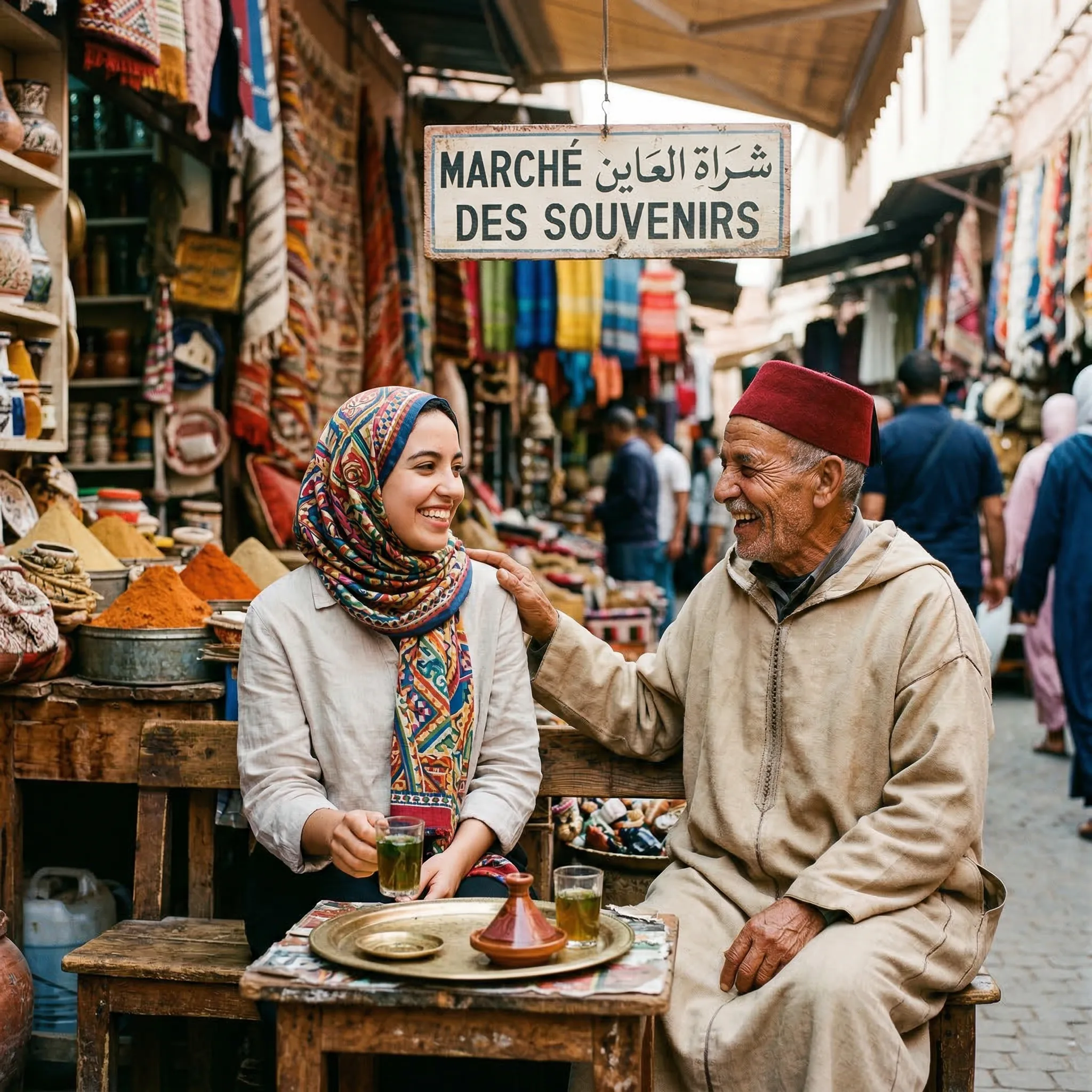
Ramadan reshapes the rhythm of Morocco, including the mountain villages where many guides and muleteers fast. Trekking is still very possible — guides work through it — but a little awareness of energy levels, meal timing and village courtesy makes for a smoother and more respectful trip.
In this guide
When Ramadan falls
Because Ramadan tracks the lunar calendar, it shifts about eleven days earlier each Gregorian year — so it drifts steadily through the trekking seasons over time. Through the late 2020s it falls roughly as below; since the dates are fixed by moon sighting, always confirm in your travel year. The month runs 29 or 30 days, and in years when it overlaps spring it can coincide with prime Atlas trekking weather.
- 2027: approximately 28 January – 26 February
- 2028: approximately 17 January – 15 February
- 2029: approximately 6–25 January
What changes for trekkers during Ramadan
Many Atlas guides and muleteers fast from dawn to sunset, which is worth respecting in how you plan the day. Energy understandably dips by mid-to-late afternoon, so an earlier start and a slightly lighter schedule are considerate — your guide will still get you up the mountain, but pushing a hard summit push into the fasting low point is unkind. Village shops and cafés on the approach often close during daylight, so stock up on snacks in Marrakech before you head out.
After sunset everything changes. The villages and the cities come alive for iftar, the breaking of the fast — harira soup, dates, chebakia pastries, msemen. Sharing an iftar at a gîte or with a host family is one of the warmest experiences the mountains offer, and many gîtes will happily include you.
What stays open and what to expect
Guides, transfers and gîtes operate normally — trekking carries on. In the cities, riads and tourist restaurants keep serving food through the day, while neighbourhood eateries and juice stalls often shut until dusk. Driving in towns in the hour before iftar can be frantic as everyone hurries home, so factor that into trailhead transfer timing.
As a visitor, eat, drink and smoke discreetly during daylight out of respect for those fasting — especially in the villages, where it matters most. Carry your trail snacks and water privately and take them out of sight when you stop near people who are fasting. Dress a touch more conservatively, and enjoy the warmer, more communal evening mood.
Is Ramadan a good time to trek?
It can be rewarding for culturally curious trekkers: fewer crowds, lower prices at some lodges, and the chance to share an iftar in a Berber village. The trade-off is the fasting-related drop in daytime pace and the closed daytime services on the approach. If you go, choose gentler routes over a hard summit, build in earlier starts, and lean into the slower rhythm rather than fighting it.
Frequently asked
Can I eat and drink on the trail during Ramadan?
Non-Muslims aren't required to fast, but be discreet — especially around fasting guides and muleteers and in the villages. Take water and snacks privately and out of sight when you stop near people who are fasting. It's a small courtesy that's deeply appreciated.
Do Atlas guides work during Ramadan?
Yes — guiding continues through Ramadan, and many guides and muleteers fast while they work. Plan earlier starts and a gentler pace to respect their lower afternoon energy, and avoid scheduling the hardest effort into the late-day fasting low point.
Are village shops open during Ramadan?
Often not during daylight. Shops, cafés and stalls on the trekking approach frequently close until iftar, then reopen after sunset. Stock up on snacks and supplies in Marrakech before you head to the trailhead.
When is Ramadan in Morocco in the coming years?
Ramadan moves roughly eleven days earlier each Gregorian year. In 2027 it falls approximately late January to late February; in 2028, mid-January to mid-February. Confirm exact dates close to your travel date, as they depend on the moon sighting.
Is Ramadan a bad time to trek in Morocco?
Not at all — it's simply different. The daytime pace is slower and approach services thin out, but the evening iftar atmosphere in the villages is special and the trails are quieter. Choose gentler routes over a hard summit and lean into the slower rhythm.
Planning a trip?
Let our team handle the details.
Tell us your dates and style and we'll send a written itinerary and a transparent quote within 24 hours.
Request an itineraryKeep reading
Planning
The Best Time to Visit Morocco
For trekking the High Atlas, April–June and September–October are the prime windows — snow has cleared from the Toubkal trails, the valleys are green and the nights are crisp rather than brutal. The rest of Morocco shifts season by season, but the mountain calendar is what should anchor a trekking trip.
Culture
Morocco Etiquette & Customs
A little cultural awareness goes a long way in the Berber villages of the High Atlas. Dress modestly, greet warmly, ask before photographing people, use your right hand, tip your guide and muleteers fairly, and embrace the unhurried pace of mint tea and mountain hospitality.
Culture
Moroccan Food & Drink
Mountain food is some of Morocco's best: a steaming tagine cooked over a wood fire in a Berber gîte after a long day's walk, bread baked that morning, and endless glasses of sweet mint tea. The same tagine-and-couscous tradition runs from the Marrakech souks to the highest village kitchens.